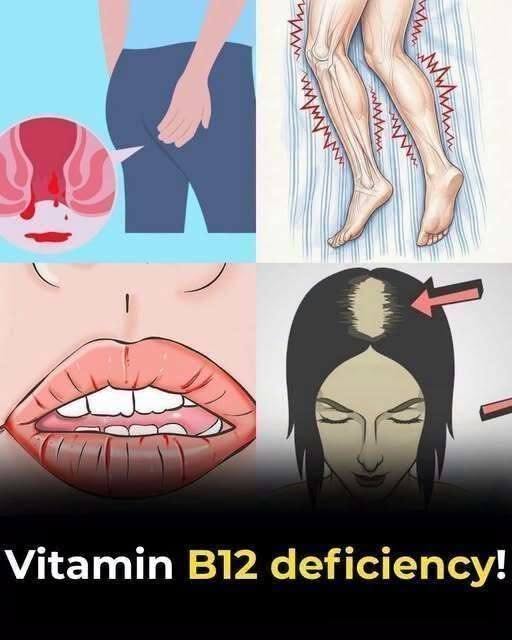
Vitamin B12 supports blood formation, nerve health, DNA maintenance, concentration, and normal physical energy. A shortage can therefore produce symptoms in several areas of the body.
Persistent tiredness may be the first warning, but it should not be considered in isolation. Weakness, dizziness, shortness of breath, pale or yellowish skin, a sore tongue, mouth discomfort, numbness, tingling, forgetfulness, and irritability may also develop.These symptoms are often mistaken for stress, overwork, or lack of sleep. When they continue or become more noticeable, a simple blood test can help determine whether vitamin B12 deficiency is contributing to the problem.
People who avoid meat, fish, eggs, and dairy products should pay particular attention to obtaining vitamin B12 through fortified alternatives or supplements. Maintaining adequate intake can help support healthy red blood cells and normal nerve function.
Early recognition and appropriate treatment can prevent a low level from continuing unnoticed. Dietary adjustments, oral supplements, or prescribed injections may be used depending on the cause and the needs of the individual.