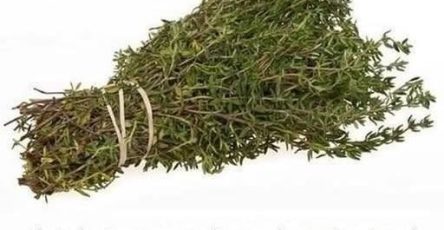
🍵 How to Make Bay Leaf Tea
Rinse the bay leaves briefly under cool water.
Bring 2 cups of water to a gentle boil.
Add the bay leaves.
Reduce the heat, cover, and simmer for 5–10 minutes.
Turn off the heat and allow the tea to steep for another 5 minutes.
Strain carefully and discard the leaves.
Add lemon, ginger, cinnamon, or a small amount of honey if desired.
Serve warm.
Flavor profile
Bay leaf tea has a distinctive herbal, slightly peppery and eucalyptus-like aroma. Lemon brightens it, ginger adds warmth, and cinnamon makes the flavor more dessert-like.
🥄 Serving Suggestions
Morning: Serve warm with lemon for a refreshing caffeine-free drink.
After dinner: Enjoy it unsweetened as a light herbal infusion.
Iced: Cool completely, refrigerate, and serve over ice with lemon.
With ginger: Useful when you prefer a warmer, spicier herbal tea.
With cinnamon: A naturally aromatic combination without needing much sweetener.
With honey: Add only after the tea has cooled slightly.
For a lower-sugar beverage, skip honey and use lemon, ginger, or cinnamon for flavor.
Beverages
🌱 Anti-Inflammatory Potential
Bay leaves contain compounds including flavonoids, phenolic compounds and volatile oils that have demonstrated antioxidant and/or anti-inflammatory activity in laboratory and animal research.
There is an important distinction, however: evidence from extracts, essential oils, cells, or animals doesn’t establish that drinking ordinary bay leaf tea will reduce inflammation in people. Human clinical research on bay-leaf preparations remains relatively limited.
So it’s reasonable to describe this as an anti-inflammatory herbal tea with potential, rather than claiming it is an anti-inflammatory treatment.
🧪 Nutrition
Plain bay leaf tea is naturally:
Caffeine-free
Very low in calories
Essentially fat-free
Essentially protein-free
Very low in carbohydrates when strained and unsweetened
A source of small amounts of plant-derived polyphenolic compounds
The exact nutritional content of an infusion varies considerably according to the number of leaves, steeping time, water temperature, and whether the leaves are consumed rather than simply infused. Research has found antioxidant compounds in bay-leaf infusions.
Tea
What about blood sugar and cholesterol?
You may see claims online that bay leaves lower blood sugar, triglycerides and cholesterol. There is some human research behind those claims, but it needs to be interpreted carefully.
One small 2009 clinical trial gave 1–3 g/day of ground bay leaves in capsules to people with type 2 diabetes for 30 days and reported improvements in glucose and lipid measures. This was ground bay leaf in capsules—not bay-leaf tea—so the findings cannot automatically be applied to this recipe.
Therefore, bay leaf tea shouldn’t replace prescribed diabetes medication, cholesterol treatment, or dietary advice.
🔄 Variations