Search for cheap flights
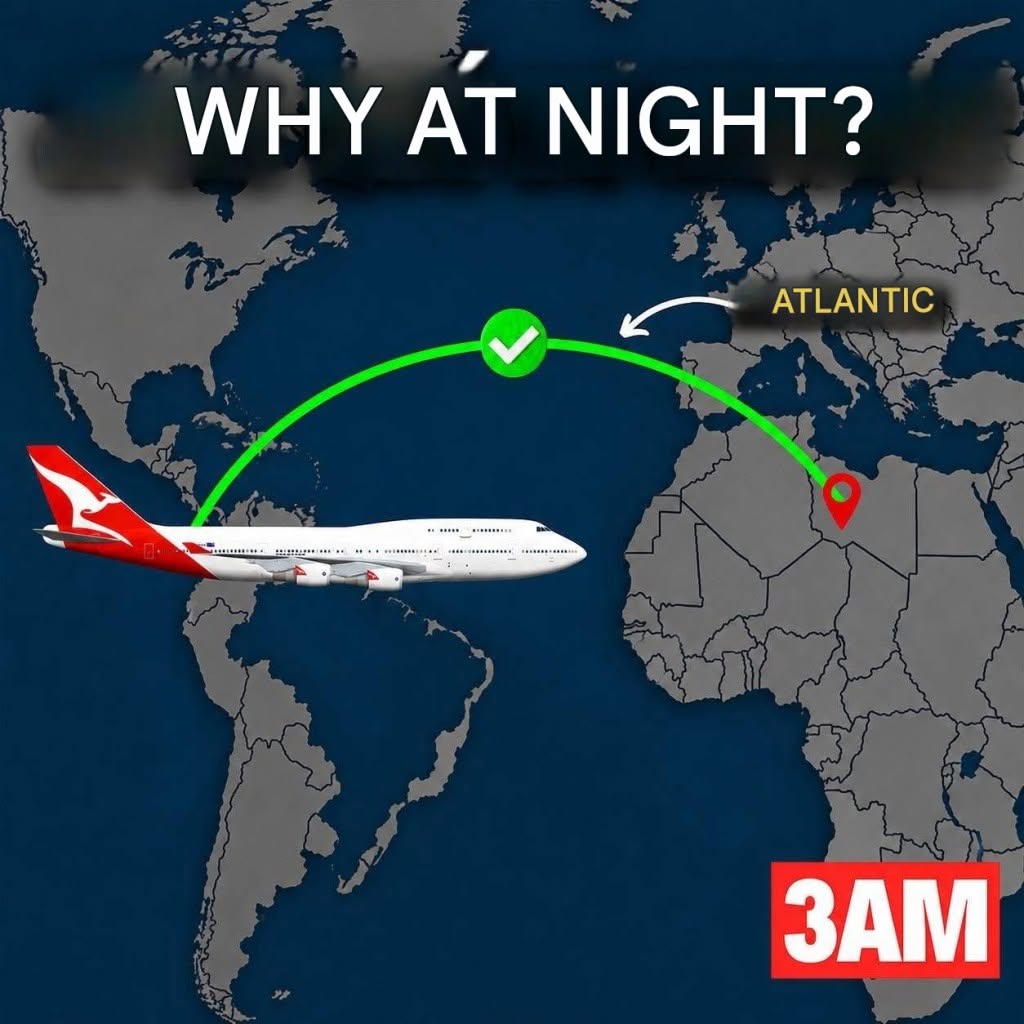
For example, a flight that takes off from New York at 8 p.m. can arrive in London around 8 a.m. the following day. This allows passengers to go directly to meetings, conferences, connections, or work activities without wasting valuable time.
Now imagine the opposite: taking off during the day and landing at night in Europe. The passenger would have to pay for a hotel immediately, sleep disoriented by the time change, and lose part of the next day recovering from fatigue.
For airlines, this makes the flight much less attractive to their most profitable customers.
When traveling from the Americas to Europe, time is against the passenger. Due to time zones, several hours are “lost” during the journey.
Geographic reference
Flights
That’s why nighttime flights become a commercial advantage. The passenger sleeps during the flight and arrives ready to start the day.
In contrast, when flying from Europe to the Americas, the opposite occurs. The time zone favors daytime flights because the plane “gains time” by traveling westward.
A flight departing from London in the afternoon can land in New York with several hours of daylight still available.
Winds also help save millions
Over the Atlantic, there are extremely powerful wind currents known as the Jet Stream. These winds can exceed 150 or even 200 kilometers per hour and often push planes traveling to Europe.
Geographic reference
This reduces flight time, fuel consumption, and operating costs.
On long-haul routes, small differences represent enormous savings. Fuel is one of the biggest expenses for any airline and can represent nearly 30% of operating costs.
That’s why airlines carefully plan routes, altitudes, and trajectories to take advantage of every possible weather condition.
Geographic reference
The “invisible highways” of the Atlantic
Transatlantic flights don’t fly randomly over the ocean. There are organized routes called NAT Tracks, a kind of invisible air highway that changes daily depending on the weather and winds.
Flights
Every night, dozens of aircraft enter these routes in a coordinated fashion to cross the Atlantic efficiently and safely.
It’s a true international aerial choreography involving airlines from all over the world using aircraft such as the Boeing 787, Boeing 777, Airbus A330, and Airbus A350.
Europe Needs Those Early Morning Arrivals
⬇️For more information, continue to the next page⬇️