Water does not simply appear at your tap.
Energy is required to:
* Treat drinking water
* Pump it to homes
* Move wastewater through sewer systems
* Treat wastewater before it is returned to the environment
Using less water therefore can reduce both water consumption and some of the energy associated with supplying and treating it.
## 4. It Can Help During Droughts and Water Restrictions
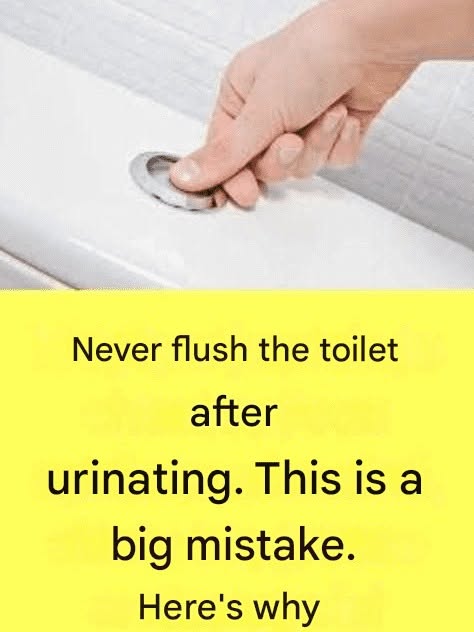
In areas experiencing drought, reducing unnecessary toilet flushing can be a simple way to conserve water.
Toilet use can represent a substantial portion of indoor household water consumption, so even small behavior changes can contribute to broader conservation efforts.
This is why some water-saving campaigns encourage people not to flush automatically after every urination.
## Is It Hygienic to Leave Urine in the Toilet?
Usually, for a short period in a private household, leaving urine in the bowl is not inherently dangerous.
Fresh urine from a healthy person is mostly water along with urea, salts, and other waste products.
However, after sitting for a while, bacteria can begin breaking down urea and producing ammonia-like odors.
That means the main practical problems are usually:
* Smell
* Staining
* Mineral buildup
* Appearance
Regular cleaning is still important.
## When You Should Flush Right Away