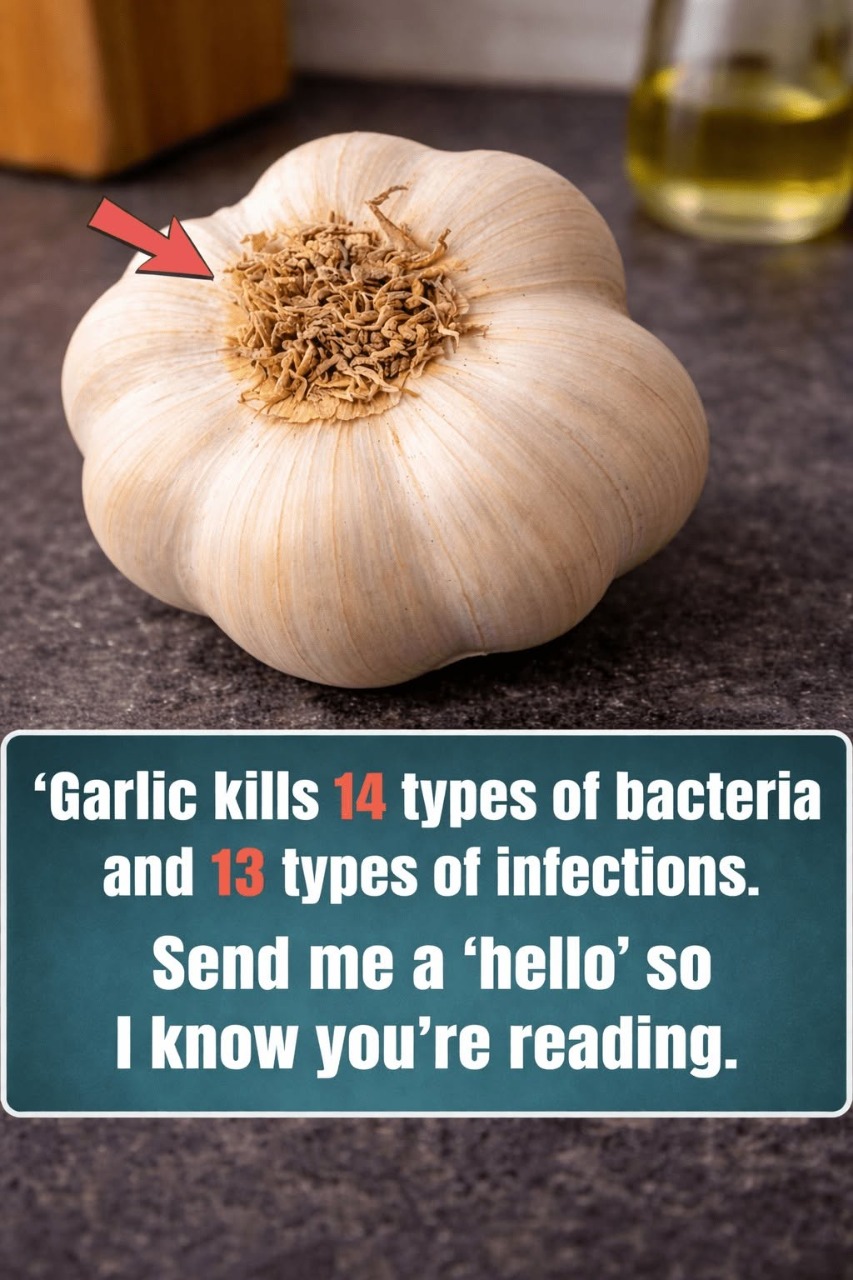
Want to try adding more garlic to your meals? A few simple preparation techniques can make it easy to include. Moderation is important, especially if you are not accustomed to eating raw garlic.
Choose fresh, firm bulbs: Look for plump cloves without soft spots or visible spoilage.
Crush or chop properly: Cutting or crushing garlic activates alliinase and promotes the formation of allicin. Allowing crushed garlic to sit for around 10 minutes before cooking may help preserve some of the compounds formed during this reaction.
Use raw when appropriate: Minced garlic can be added to salad dressings, hummus, or guacamole. It can also be combined with olive oil and herbs to make a simple dip.
Cook thoughtfully: Adding garlic toward the end of sautéing or roasting can reduce the amount of time it is exposed to high heat. Prolonged or intense heating can reduce allicin.
Choose practical serving ideas: Garlic can be incorporated into soups, sauces, roasted vegetables, mashed potatoes, marinades, and many other dishes.
If the strong taste bothers you, roasted whole bulbs become sweeter and milder, making them an easy addition to meals.
5 Easy Ways to Enjoy Garlic
Stir minced raw garlic into homemade vinaigrette.
Add garlic to mashed potatoes or avocado toast.
Include it in marinades for proteins or vegetables.
Combine crushed garlic with honey as a food preparation, while keeping in mind that homemade garlic preparations should be handled and stored safely.
Blend garlic into pesto or chimichurri sauces.
These small habits can make garlic a seamless part of meals while contributing to an overall varied and balanced diet.
Before making garlic a daily habit, however, it is worth considering how your body responds and whether medications or other circumstances could affect its use.
Potential Considerations When Adding Garlic
Garlic is generally considered safe when consumed in typical food amounts, but some people may experience side effects such as bad breath, body odor, heartburn, abdominal discomfort, or gas, particularly after eating raw garlic or larger quantities.
People taking blood-thinning or antiplatelet medications should discuss substantial increases in garlic intake or the use of garlic supplements with a healthcare professional, because garlic may influence blood clotting. Garlic supplements can also differ considerably from ordinary culinary use.
Pregnant or breastfeeding individuals can generally include garlic in normal culinary amounts as part of a varied diet, while concentrated supplements may warrant professional advice.
Conclusion: A Simple Addition With Timeless Appeal