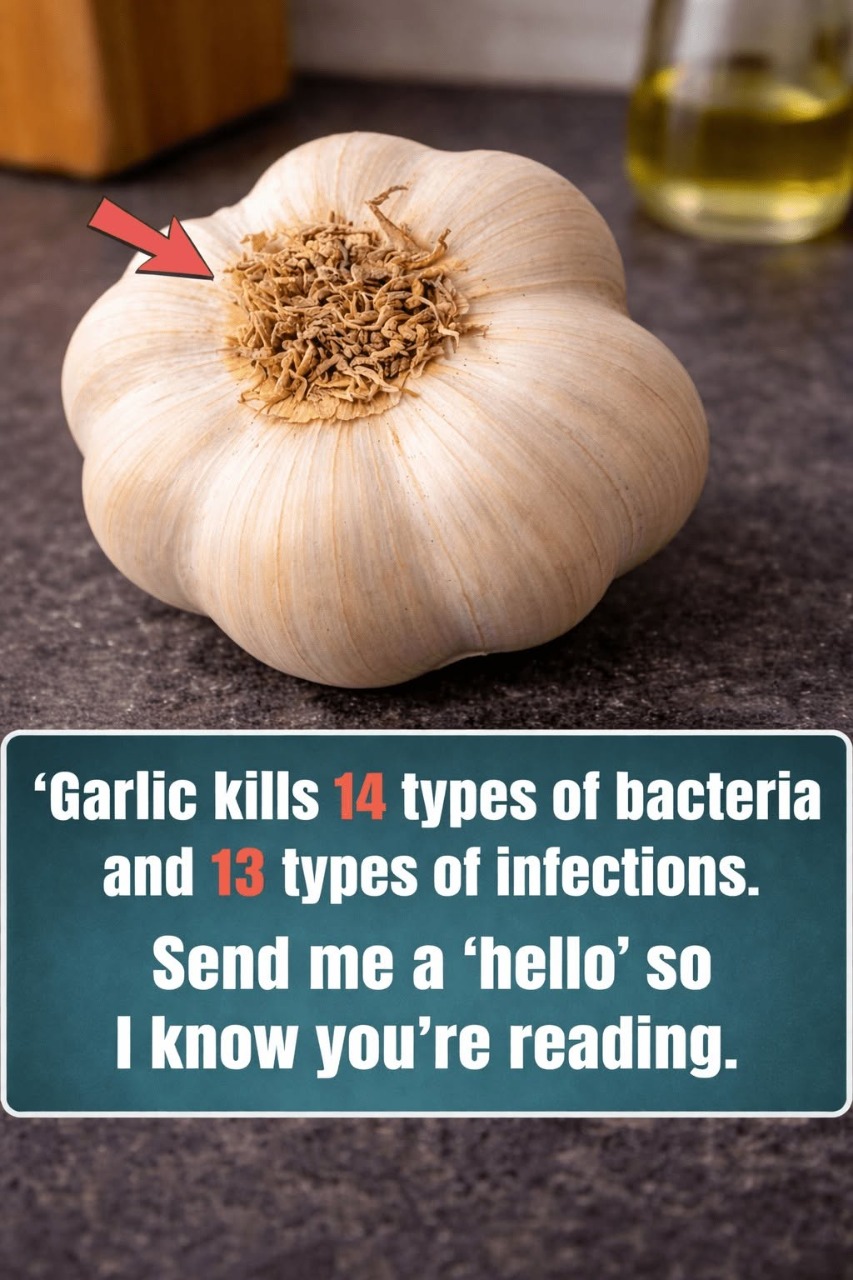
Garlic is an accessible ingredient that has been researched in connection with immune function, microbial activity, cardiovascular health, antioxidant processes, and digestive wellness. While some findings are promising, much of the evidence is preliminary or varies according to the type and amount of garlic used. Garlic should therefore be viewed as one component of a balanced diet rather than a treatment or guaranteed way to prevent or cure illness.
Understanding how garlic is prepared and consumed can help you make it a practical part of everyday meals. Crushing or chopping fresh garlic and allowing it to rest briefly before cooking may influence the formation of allicin, while different cooking methods produce different compounds and flavors.
What’s your favorite way to use garlic? Share your favorite preparation or recipe idea in the comments.
FAQ
1. How Much Garlic Should I Eat Daily for Potential Wellness Benefits?
There is no universally established daily amount of fresh garlic that guarantees a particular health benefit. Some studies have examined amounts equivalent to roughly one or two cloves per day, while others have used standardized garlic preparations. If you are new to eating garlic regularly, starting with small culinary amounts can help you determine how well you tolerate it.
2. Does Cooking Garlic Destroy Its Beneficial Compounds?
High heat and prolonged cooking can reduce allicin because it is relatively unstable. Crushing or chopping garlic and allowing it to rest for around 10 minutes before cooking may promote allicin formation before heating. Cooking also changes garlic’s chemical composition, so cooked garlic still contains a variety of compounds even though its allicin content may be lower.
3. Is Aged Garlic Extract as Effective as Fresh Garlic?
Aged garlic extract and fresh garlic have different chemical profiles and have been studied in different ways. Some research on aged garlic extract has reported potential effects on immune and cardiovascular markers, while fresh garlic produces allicin when crushed or chopped. Neither should be assumed to be universally more effective, and research findings depend on the specific preparation and outcome being studied.
Disclaimer
This article is for informational purposes only and is not intended as medical advice. Research findings on garlic vary, and evidence from laboratory or small human studies does not necessarily establish a specific health benefit. Garlic is generally safe in typical food amounts, but individual responses vary. Consult a qualified healthcare professional before making significant dietary changes, particularly if you have a health condition or take medications.