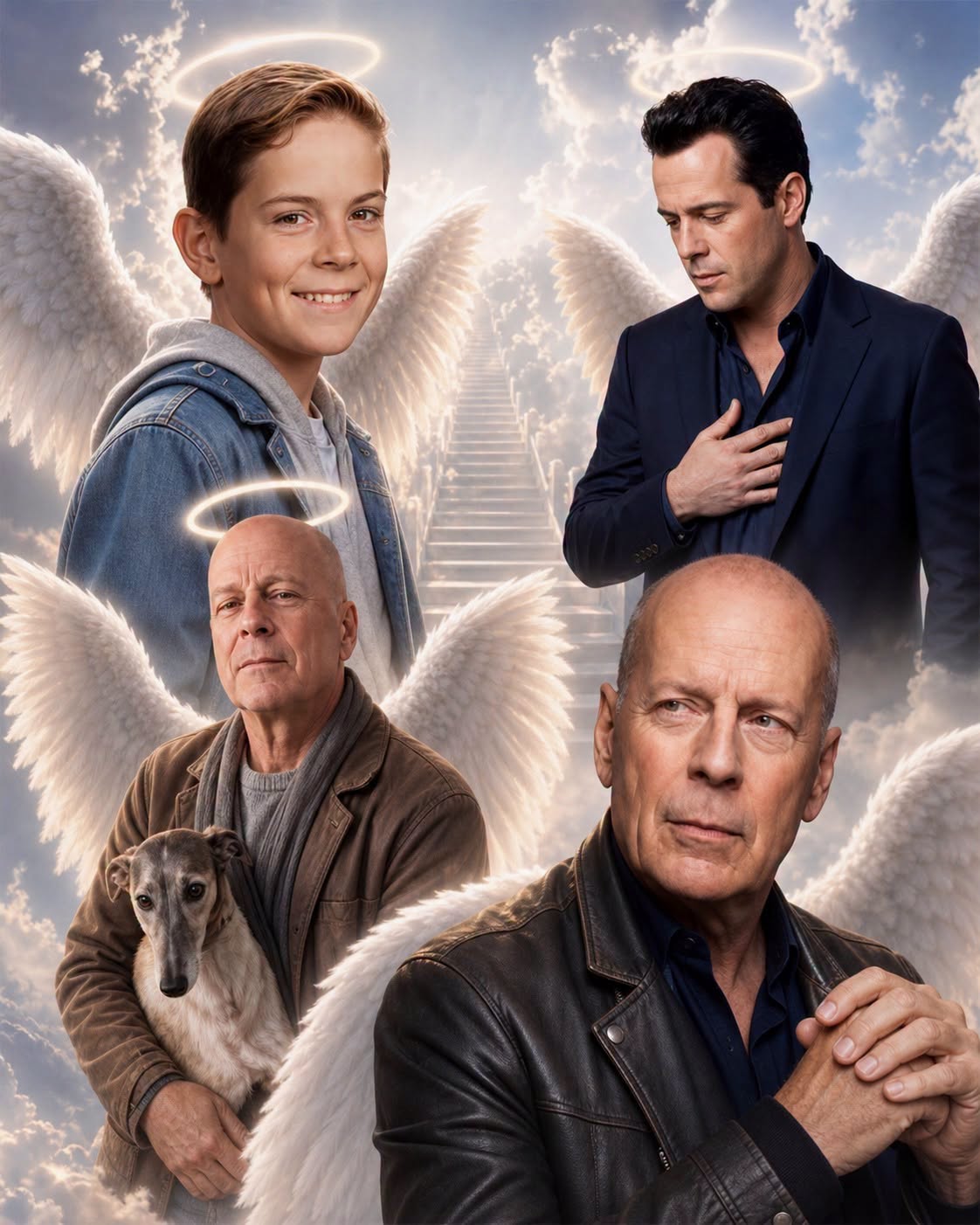
Bruce Willis changed the shape of the modern movie hero. He could be tough without seeming invincible, funny without weakening the danger, and vulnerable without surrendering authority. As frontotemporal dementia has taken him away from public life and ended his acting career, fans have responded by returning to the performances that made him feel familiar across generations. This is not an announcement of his death, but a farewell to the career and public presence illness forced him to leave behind.
Willis first became a major star through Moonlighting, where his quick delivery and playful chemistry with Cybill Shepherd revealed a gift for comedy. David Addison was confident, irritating, charming, and emotionally exposed, sometimes within the same conversation. The television role showed that Willis could carry rapid dialogue and romantic tension with an energy that felt spontaneous.
Then came Die Hard. John McClane was not the polished, heavily armed action figure audiences expected. He was a tired New York police officer with a troubled marriage, no shoes, and no plan for surviving a terrorist takeover. He felt pain, made mistakes, became frightened, and kept moving. Willis’s sarcasm did not erase the danger; it became a way for the character to manage fear. The performance rewrote expectations for action leads.