Check the product name, ingredient list, producer information, and origin claims. Look for meaningful traceability and credible quality documentation. Be cautious when a product makes impressive claims that cannot be verified or is priced unusually low compared with comparable products.
Step 3: Understand the limits of home testing.
The water test and crystallization test can demonstrate real physical properties, but they cannot reliably distinguish every authentic honey from every adulterated mixture. When strong evidence of purity is necessary, appropriate laboratory analysis is the more reliable option.
These steps will not eliminate every risk, but they provide a more defensible basis for making purchasing decisions than relying on a single viral trick.
Conclusion: The Best Way to Recognize Real Honey Is to Look Beyond the Bottle
Honey remains a valuable natural food, appreciated for its sweetness, distinctive aromas, and remarkable diversity. Yet the same qualities that make it desirable can also create opportunities for dishonest sellers to misrepresent cheaper mixtures as premium products.
A bottle of genuine honey may be light or dark, liquid or crystallized, mild or strongly aromatic. Its behavior depends on its natural composition, floral source, moisture content, temperature, and processing history.
That variability explains why simple household tests can be interesting without being conclusive.
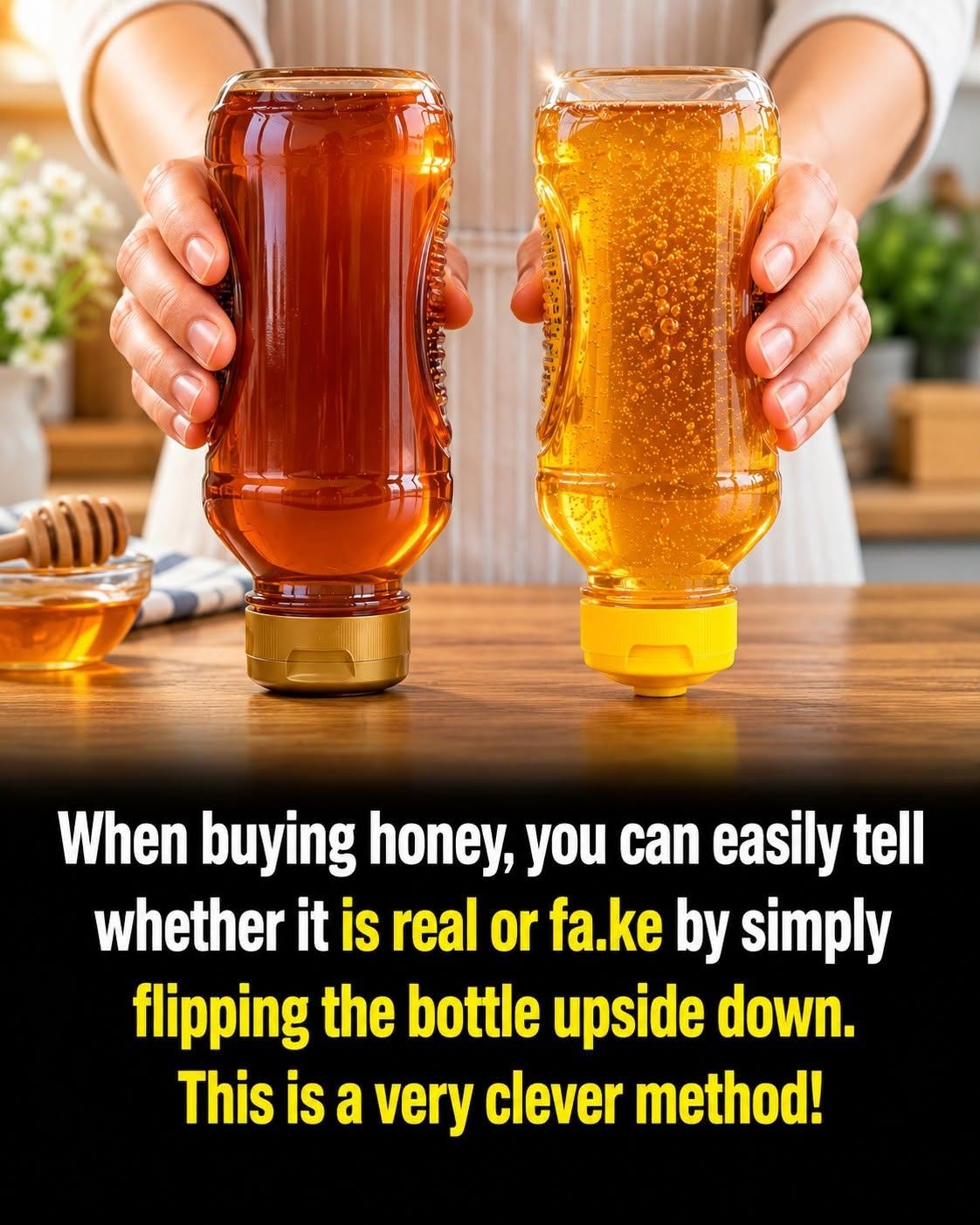
Shaking a bottle and watching its bubbles may reveal something about viscosity. Dropping honey into water may demonstrate how a concentrated sugar solution behaves. Observing crystallization can help you understand the natural chemistry of the product. None of these methods, however, can independently prove that honey is pure.
The most reliable consumer strategy combines careful observation with transparent labeling, traceable sourcing, credible quality verification, and an understanding of the limits of informal testing.
If a bottle looks unusual, investigate rather than immediately declaring it fake. If a product passes every popular home test, do not assume that its authenticity has been established. And if you are paying a premium for a specialty honey, give greater weight to trustworthy sourcing and meaningful analytical evidence than to marketing promises.
Ultimately, recognizing genuine honey is less about discovering one secret trick and more about understanding the product itself.
The smartest honey buyer is not the person who believes every home test. It is the person who knows what those tests can reveal, what they cannot prove, and how to make a more informed choice.